

Fleet management is a strategic necessity for businesses relying on vehicles, encompassing procurement, deployment, maintenance, and risk mitigation. Key to optimization are proactive maintenance, driver training, real-time tracking, and strategic towing logistics. Selecting a reliable towing business with comprehensive insurance and specialized vehicle transport services is crucial, offering financial protection, reduced downtime, and improved fleet performance. This approach enhances operational productivity, cost reduction, and competitive edge for businesses in dynamic industries.
In today’s fast-paced world, efficient fleet management is a cornerstone for businesses seeking to optimize operations and maintain a competitive edge. The challenges are multifaceted: from tracking vehicle locations and driver performance to ensuring maintenance and safety standards. This article delves into the intricate landscape of fleet management services, exploring how cutting-edge technology and specialized expertise can transform these complexities into opportunities. By leveraging advanced solutions, businesses can enhance operational efficiency, reduce costs, and improve overall safety—a critical aspect, particularly for select towing businesses operating in dynamic environments.
- Understanding Fleet Management: Essential Services for Businesses
- Optimizing Operations: Towing and Logistics Strategies
- Selecting the Right Partner: A Guide for Business Owners
Understanding Fleet Management: Essential Services for Businesses
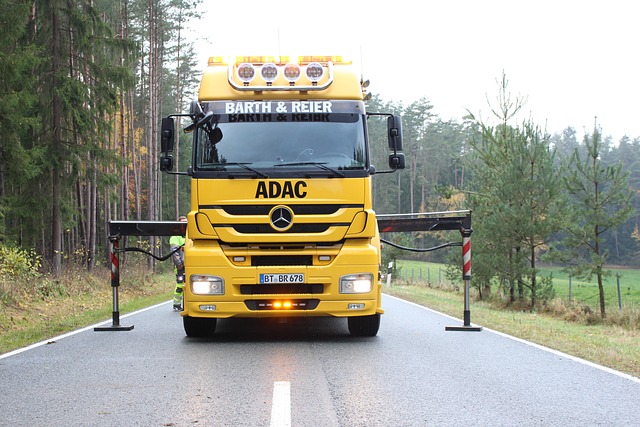
Fleet management is a complex yet indispensable aspect of modern business operations, particularly for companies relying on vehicles as their primary assets. Effective fleet management involves more than just vehicle maintenance; it encompasses strategic planning, operational efficiency, and risk mitigation. For businesses across industries, from logistics to transportation, understanding these essential services is crucial for staying competitive and ensuring smooth daily operations. One key area of focus within fleet management is selecting the right towing business, such as those specializing in long distance car shipping or local emergency roadside assistance, which can make all the difference in critical situations.
At its core, fleet management includes vehicle procurement, deployment, maintenance, and replacement. It involves leveraging data-driven insights to optimize routing, scheduling, and driver performance while adhering to safety regulations and minimizing environmental impact. A well-managed fleet enhances operational productivity, reduces costs, and contributes significantly to the bottom line. For instance, studies show that every dollar invested in efficient fleet management can yield a return of 10–25% through improved fuel economy, reduced downtime, and enhanced driver behavior.
One of the primary services within fleet management is roadside assistance, which includes emergency towing. Best-rated towing companies offer crucial support during unexpected breakdowns or accidents, ensuring that vehicles are quickly and safely towed to service centers. Long distance car shipping is another critical aspect, particularly for businesses dealing in interstate transportation. These specialized services ensure the secure and timely movement of vehicles, minimizing delays and potential damage. By partnering with reputable towing businesses, companies can maintain their operational continuity, protect their assets, and ultimately provide superior customer service.
Moreover, fleet management involves proactive maintenance strategies, driver training, and advanced telematics systems that offer real-time tracking and monitoring capabilities. These tools enable managers to make informed decisions, predict maintenance needs, and improve overall fleet safety. For instance, leveraging data from telematics can help identify drivers who need additional training in defensive driving or recognize patterns of increased wear and tear on specific vehicles, allowing for preemptive action. By integrating these services seamlessly into their operations, businesses can elevate their fleet management to a strategic advantage, ensuring they stay ahead in an increasingly competitive market.
Optimizing Operations: Towing and Logistics Strategies

Optimizing fleet management operations requires a strategic approach to towing and logistics, especially in handling diverse cargo types and unforeseen incidents. Selecting a reliable towing business is a cornerstone of this strategy. A seasoned expert recommends aligning with a company that offers comprehensive services, from routine maintenance to emergency response, ensuring seamless operations. For instance, containerized cargo towing presents unique challenges compared to car accident towing services; thus, a versatile fleet equipped to handle both is ideal.
Natural selection of a towing partner should consider insurance coverage as a critical factor. Adequate insurance safeguards against potential liabilities during transportation and storage. According to industry reports, comprehensive towing insurance coverage can mitigate risks associated with varying cargo types, from high-value containers to damaged vehicles. This protection is essential in managing unexpected events, ensuring financial stability for fleet operators.
Logistics efficiency also hinges on strategic planning. Fleet managers should implement dynamic routing algorithms that factor in real-time traffic data and weather conditions to optimize towing routes. For instance, using advanced analytics to predict congestion can reduce dwell times at ports or accidents sites, minimizing costs and enhancing customer satisfaction. By integrating these strategies, fleet management services can achieve higher operational effectiveness, responsiveness, and cost savings, setting a new standard in the industry.
Selecting the Right Partner: A Guide for Business Owners

Selecting a reliable fleet management partner is a strategic decision for any business owner, especially those in the towing industry. With numerous service providers in the market, choosing the right fit can be daunting. This guide emphasizes the importance of a thorough evaluation process to ensure your selection aligns with your unique needs and operational goals.
When considering partners for fleet management, one of the critical aspects is their ability to provide comprehensive towing insurance coverage. This protects both parties in case of accidents or damage during vehicle transport. Reputable companies offer policies tailored to meet industry standards, ensuring you and your assets are secured. For instance, a study by the Towing Industry Association revealed that businesses with adequate insurance saw a 30% reduction in financial losses due to claims over a 5-year period. Thus, this should be an essential factor when evaluating potential partners.
Moreover, look for companies specializing in professional vehicle transport. These experts have the necessary equipment and expertise to handle various towing scenarios, from light-duty vehicles to heavy machinery. Best-rated towing companies invest in advanced technology to track and manage fleets efficiently, ensuring timely deliveries. They also employ trained professionals who adhere to strict safety protocols. By selecting such a partner, you can expect reduced downtime, minimized damage risks, and improved overall fleet performance. For example, a leading provider offers real-time GPS tracking, allowing business owners to monitor their vehicles’ progress, enhancing transparency and control.
By synthesizing key insights from this article, business owners now have a clear understanding of fleet management services, including optimizing operations through strategic towing and logistics. The selection process for choosing the right partner has been demystified, emphasizing the importance of aligning with a Select towing business that naturally meets specific needs. This comprehensive guide empowers readers to make informed decisions, streamline their operations, and leverage fleet management as a competitive advantage in today’s dynamic business landscape.