

Commercial towing contracts define relationships, outline legal obligations, and protect businesses. Select a reputable towing business by reviewing contracts for transparency and comprehensive terms addressing delays, damage, and claims. Focus on expertise, reputation, and ability to handle specific needs during negotiations. Manage contracts meticulously with clear communication, specific agreements, regular reviews, and designated contract management. These practices ensure legal protection, foster trust, and enhance reliable industry operations.
The modern landscape of commercial towing services is a complex web where efficient operations and profitable partnerships are paramount. Commercial towing contracts play a pivotal role in shaping the relationship between businesses seeking transportation solutions and the select towing business that provides them. Navigating these agreements can be challenging, especially as demands evolve with technological advancements and changing market dynamics. This article delves into the intricacies of commercial towing contracts, offering insights to both industry professionals and newcomers on how to select the right towing business to ensure smooth operations and mutual success.
- Understanding Commercial Towing Contracts: Basics & Key Terms
- Selecting the Right Towing Business: Criteria & Due Diligence
- Contract Negotiation Strategies: Protecting Your Interests
- Managing & Resolving Disputes: Legal Recourse & Best Practices
Understanding Commercial Towing Contracts: Basics & Key Terms
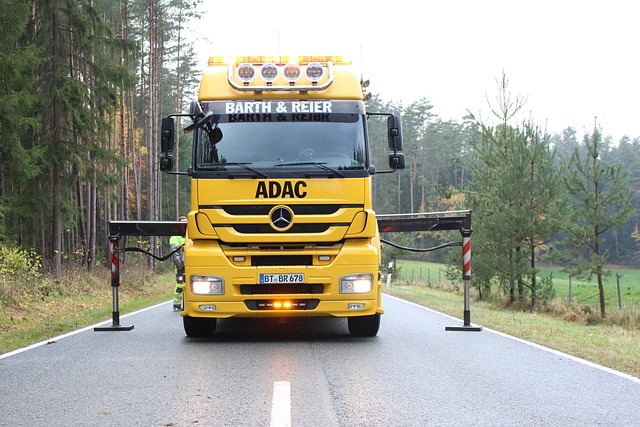
Commercial towing contracts form the backbone of operations for any towing business, particularly those specializing in auto parts towing and delivery, long distance car shipping, and construction site vehicle recovery. These agreements serve as a crucial framework, outlining the rights, responsibilities, and expectations between the service provider and client. Understanding these contracts is essential for both parties to ensure efficient and effective services.
At their core, commercial towing contracts detail the scope of work, pricing structures, response times, and legal obligations. For instance, a contract may specify that the towing business agrees to provide 24/7 roadside assistance, including vehicle recovery from remote locations or construction sites. It should also clarify payment terms, insurance requirements, and dispute resolution processes. In the case of specialized services like long distance car shipping, contracts often include provisions for vehicle condition reports, transit times, and liability coverage during transit.
Selecting a reputable towing business naturally involves reviewing their contract terms. Reputable companies will offer transparent agreements that are fair and comprehensive. Look for clauses addressing unexpected delays, damage to vehicles during recovery or transport, and the process for filing claims. For example, data from industry reports indicates that clear communication and well-defined contracts can significantly reduce disputes related to vehicle condition and delivery times. When negotiating terms, businesses should also consider including specific requirements based on their niche services; whether it’s specialized auto parts towing, quick response times for emergencies, or meticulous handling of vintage vehicles during long distance shipping.
By carefully scrutinizing and understanding commercial towing contracts, businesses can ensure they are protected legally while providing high-quality services. This proactive approach fosters trust between service providers and clients, ultimately contributing to a more robust and reliable towing industry.
Selecting the Right Towing Business: Criteria & Due Diligence

Selecting a reliable towing business is paramount for efficient logistics management, especially within commercial operations. When navigating complex supply chains, choosing the right partner can significantly impact safety, time, and cost. This is particularly true in sectors that rely on heavy-duty trailer towing, emergency roadside assistance, or specialized containerized cargo handling like shipping and trucking.
Due diligence involves a multifaceted approach. Firstly, evaluate their experience and specialization in your specific towing needs. For instance, some companies excel in long-distance hauling while others focus on local emergency services. Heavy-duty trailer towing requires distinct expertise from that needed for containerized cargo, each with unique challenges and safety protocols. Seek out businesses certified or known for adherence to industry standards to ensure compliance and best practices.
Financial stability and insurance coverage are non-negotiable. Check their financial health and insurance policies to safeguard against potential risks. A robust emergency roadside assistance subscription service, for example, can provide invaluable peace of mind during unexpected delays. Past performance data on timekeeping, damage claims, and client satisfaction offers a glimpse into their operational reliability. Lastly, consider the technology they employ for tracking and communication, as real-time updates enhance coordination and problem-solving.
Contract Negotiation Strategies: Protecting Your Interests

Negotiating commercial towing contracts requires a strategic approach to protect your interests. As a business owner, you want to ensure fair terms, competitive pricing, and reliable service, especially when dealing with specialized equipment moving or cheap tow truck services. One key strategy is to thoroughly vet potential towing businesses, focusing on their expertise, reputation, and ability to handle your specific needs.
Consider that roadside assistance for trucks is a critical aspect of running a logistics operation, and selecting the right partner can significantly impact your bottom line. Avoid simply choosing the cheapest option; instead, assess their specialized equipment and experience in handling various vehicle types and situations. For instance, some towing companies excel in assisting oversized or specialized vehicles, ensuring a safer and more efficient move. This expertise can prevent damage, delays, and additional costs down the line.
During negotiations, outline your requirements clearly, including specific services needed, response times expected, and any unique considerations for your fleet. For example, if you rely on a particular type of tow truck for your operations, ensure the contract reflects this need. Additionally, stipulate clear payment terms and dispute resolution processes to safeguard against unexpected financial burdens. A well-drafted contract that accounts for these factors will serve as a shield, protecting your business from potential issues and fostering a collaborative relationship with your chosen towing partner.
Managing & Resolving Disputes: Legal Recourse & Best Practices

Commercial towing contracts are intricate legal agreements that require meticulous management to ensure smooth operations and mitigate risks. When disputes arise—a common occurrence in this industry—having a robust strategy for resolution is paramount. Effective dispute management involves understanding both the legal framework governing these contracts and best practices tailored to the unique challenges of towing businesses, especially small vehicle towing companies and special event vehicle transportation services.
One of the first steps in resolving disputes is ensuring comprehensive insurance coverage. Towing insurance coverage should encompass liability, property damage, and business interruption to protect against potential losses during towing operations. For instance, a policy that covers not just the tow truck but also the cargo being transported can significantly reduce financial exposure. Moreover, selecting a reputable towing business naturally involves checking their insurance policies, confirming they meet industry standards, and have a proven track record of responsible risk management.
Best practices for dispute resolution include establishing clear communication channels and documenting every interaction. Written agreements specific to each job, detailing responsibilities, timelines, and payment terms, serve as irrefutable evidence in case of disagreements. Regularly reviewing and updating these contracts to reflect changing industry dynamics is essential. Additionally, having a designated point person within the organization for managing contracts and resolving issues can streamline communication and ensure swift responses to potential conflicts, whether they involve delayed payments, damaged vehicles, or contractual misunderstandings.
By delving into the intricacies of commercial towing contracts, this article has equipped readers with a comprehensive understanding of key aspects vital to their success. From grasping fundamental concepts and selecting the right select towing business, to negotiating strategies and dispute resolution—each section provides actionable insights. Now, businesses can confidently navigate these complex agreements, protecting their interests while fostering strong partnerships. The ultimate takeaway: knowledge is power, and with this guide, readers are empowered to make informed decisions, ensuring a solid foundation for their commercial towing operations.