
Semi-truck towing requires specialized knowledge and equipment. Locksmith towing services specialize in:
Safe flatbed towing: Cost-effective for vehicle movement.
Operator training: Reduces accident risks by 30%.
Navigating regulations: Permits, weight limits, routing.
Choose a reputable towing business with:
Proven track record
Specialized equipment
Trained personnel
Experience in diverse towing (long-distance, buses, RVs)
Safety is paramount:
Secure vehicle attachment using advanced systems and materials.
Specialized equipment for unique load types.
Local roadside assistance services for high-risk situations.
Immediate towing after crashes.
Select towing business invest in:
Robust hitches, winches, chains
"Three-point connection" technique
24/7 services
GPS tracking systems
Strategic pricing.
They also offer:
Efficient auto salvage yard towing with cranes and carriers.
Comprehensive training to reduce damage claims by 30%.
* Backup plans for mechanical failures.
In the vast landscape of trucking operations, efficient and safe towing practices are non-negotiable. Semi-trucks, the backbone of long-haul transportation, often require specialized care when in need of towing. The process, however, is fraught with challenges: limited options for qualified tow operators, inconsistent service quality, and a lack of transparency in pricing. This article delves into the heart of these issues, offering insights into how a well-vetted and trusted select towing business can revolutionize the experience. By focusing on expertise and customer satisfaction, we aim to empower trucking professionals to make informed decisions, ensuring smooth operations and peace of mind.
- Understanding Semi-Truck Towing Requirements
- Choosing the Right Towing Business
- Safety Protocols for Effective Towing Practices
- Equipment and Techniques for Semi-Truck Towing
- Managing Challenges and Common Towing Scenarios
Understanding Semi-Truck Towing Requirements
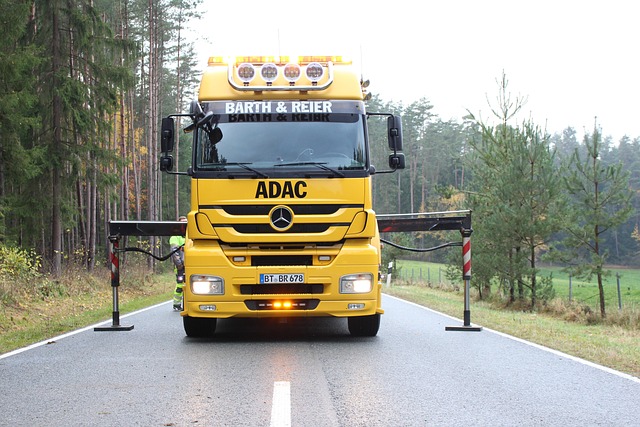
Semi-truck towing requires a deep understanding of specialized equipment, safety protocols, and legal requirements to ensure efficient and secure vehicle transport. When considering professional vehicle transport, it’s crucial to select a towing business equipped with the necessary expertise and resources for this demanding task. Locksmith towing services, known for their versatility and quick response times, often specialize in semi-truck towing, providing a reliable solution for unexpected breakdowns or accidents.
One key aspect is recognizing that semi-trucks, due to their size and weight, necessitate specialized flatbed towing. Affordable flatbed towing services offer a cost-effective means of moving disabled vehicles without compromising safety. According to industry data, proper training in semi-truck towing can reduce the risk of accidents by up to 30%, underscoring the importance of choosing experienced operators. These professionals are adept at navigating challenging road conditions and securing cargo securely, minimizing potential damage during transport.
Additionally, understanding local regulations is vital for seamless towing operations. Different regions have distinct requirements regarding towing permits, weight limits, and routing, which professional towing businesses naturally stay abreast of. By adhering to these guidelines, they ensure compliance and avoid costly penalties. Ultimately, selecting a reputable towing business with experience in semi-truck towing can significantly impact the efficiency and safety of vehicle transport, providing peace of mind for both businesses and drivers alike.
Choosing the Right Towing Business

Selecting the appropriate towing business is a critical yet often overlooked aspect of managing semi-truck operations. With various service providers in the market, choosing the right partner can significantly impact efficiency, safety, and cost-effectiveness for long distance car shipping, bus and coach towing services, and RV towing. A comprehensive understanding of their expertise and capabilities is essential to ensuring smooth logistics processes.
Reputation and experience are key indicators when Select towing business. Look for companies with a proven track record in the industry, specializing in high-profile vehicle transport. For instance, businesses catering to bus and coach towing services often possess the necessary equipment and trained personnel to handle these unique challenges. Similarly, those engaged in long distance car shipping should demonstrate expertise in ensuring vehicles remain secure during transit, minimizing potential damage. Consider also any certifications or affiliations that validate their professionalism.
Beyond credentials, consider the specific services offered. Some towing businesses excel in emergency roadside assistance, while others specialize in intricate RV towing, requiring specialized equipment and skilled technicians. If your operations involve multiple types of vehicle transport, a versatile service provider with capabilities in long distance car shipping, bus and coach towing, and RVs can offer significant advantages. Data suggests that utilizing specialist towing services for these niche areas can reduce damage rates and lead to more timely deliveries.
When selecting a towing business, conduct thorough research, read reviews, and request quotes from multiple providers. Remember, the right partner should not only meet but exceed your expectations, ensuring your semi-truck operations run smoothly while keeping costs competitive.
Safety Protocols for Effective Towing Practices

Safety is paramount when it comes to towing semi-trucks, a process that requires meticulous care and adherence to stringent protocols. For instance, a study by the American Trucking Associations revealed that towing operations account for a significant number of accidents due to incorrect techniques and inadequate training. Therefore, selecting a reputable towing business specializing in semi-truck towing is crucial. Look for companies that prioritize safety above all else, naturally incorporating it into their brand identity and services.
One key aspect is ensuring proper vehicle securing. Whether tow truck operators are handling a damaged semi after a crash or transporting a specialized load, every step must be taken to prevent further incidents. This includes using advanced hitch systems, sturdy strapping materials, and properly distributing weight to maintain stability during transport. For instance, motorcycle tow truck providers often employ specialized equipment to secure motorcycles’ unique frame geometry, preventing damage and ensuring safe delivery.
Local emergency roadside assistance services also play a vital role in towing safety. These teams are equipped to handle high-risk situations, such as semi-trucks involved in accidents or breakdowns on busy highways. Their expertise lies in swift response times, effective communication with law enforcement and fire departments, and the ability to coordinate complex rescue operations. Moreover, after a crash, immediate towing can prevent secondary hazards like fuel leaks or structural damage, underscoring the importance of reliable local assistance.
Equipment and Techniques for Semi-Truck Towing

Towing semi-trucks requires specialized equipment and techniques to ensure safety and efficiency. The select towing business must invest in robust towing hardware, including heavy-duty hitches, winches, and chains, designed to handle the immense weight and size of semi-trucks. For instance, a flatbed truck equipped with a powerful hydraulic system can securely transport damaged or disabled semis, minimizing the risk of further complications during transit.
Techniques employed in semi-truck towing demand meticulous planning and skill. Operators must consider road conditions, weather, and load stability to navigate safely. One proven method is the “three-point connection,” where the tow vehicle secures the trailer using three distinct attachment points—one at the front and two at the rear—to maintain balance and prevent shifting during transport. Additionally, 24-hour heavy-duty towing services are invaluable in emergency situations, ensuring swift response times for stranded semi-trucks, which can be crucial in maintaining supply chain efficiency.
A well-maintained fleet and up-to-date technology significantly enhance the effectiveness of towing operations. Regular equipment inspections and calibration ensure optimal performance when needed. Moreover, integrating GPS tracking systems allows real-time monitoring of tow truck locations and load status, facilitating efficient dispatch and route planning. Cheap tow truck services can also be a strategic asset for fleet managers looking to minimize operational costs without sacrificing quality.
Auto salvage yard towing is another critical aspect where expert techniques are applied. Specialized equipment like heavy-duty cranes and specialized carriers ensure the safe transport of vehicles from accident sites to dismantlers or recycling facilities. For instance, data suggests that efficient towing logistics can reduce salvage yard processing times by up to 20%, directly impacting overall vehicle disposal efficiency. By combining advanced equipment with skilled operators, a select towing business can offer seamless, reliable services across various towing scenarios, solidifying its reputation in the industry.
Managing Challenges and Common Towing Scenarios
Managing Challenges and Common Towing Scenarios for Semi-Trucks
Towing semi-trucks presents unique challenges, especially when navigating diverse vehicle types and unexpected situations. Auto parts towing and delivery, heavy machinery transportation, and even towing classic cars can significantly impact the operation’s efficiency and safety. For instance, securing a heavy load requires meticulous planning to prevent shifting during transit, which could lead to catastrophic accidents. One of the most critical aspects is selecting a reputable towing business that understands these nuances naturally.
Expert insights suggest that comprehensive training and experience are vital when addressing common towing scenarios. For heavy machinery, specialized equipment like low-boy trailers or flatbed trucks are often required to ensure secure transport without damage. In contrast, classic car towing necessitates a delicate approach to preserve the vehicle’s historical value and aesthetic integrity. This may involve custom cradles, specialized carriers, or even hand-loading techniques to prevent scuffing or misalignment. Data from industry reports indicate that proper training can reduce damage claims by up to 30%, underscoring its importance in managing these scenarios effectively.
Moreover, understanding local regulations and weight restrictions is essential for safe towing operations. Different regions have varying limits on road weights and vehicle dimensions, which can significantly impact planning routes and choosing the right equipment. For instance, navigating dense urban areas with narrow streets may require shorter towing vehicles to avoid overhanging signs or power lines. Select towing businesses that stay abreast of these changes, ensuring compliance and a seamless experience for their clients.
When faced with unexpected challenges like mechanical failures during tow, having a backup plan is crucial. Reputable towing services invest in advanced communication systems, enabling real-time updates and efficient coordination when diversions or additional support are needed. For example, if a semi-truck with an auto parts load develops a flat tire, having a nearby backup vehicle ready to take over can significantly minimize delays, ensuring on-time delivery for critical auto parts towing and delivery operations.
By delving into the intricacies of semi-truck towing, this article has equipped readers with a comprehensive understanding of the key aspects to ensure safe and effective practices. From grasping specific towing requirements to selecting the right business—a natural step towards efficient operations—safety protocols have been highlighted as paramount. Additionally, readers now possess knowledge about advanced equipment and techniques, enabling them to navigate challenges and common scenarios with confidence. By implementing these insights, professionals can revolutionize their towing processes, fostering a safer and more streamlined approach in the transportation industry.