

Long-distance transport faces unique challenges requiring tailored solutions. Key considerations include diverse vehicle types, complex insurance coverage, and proactive planning. Selecting a towing business that offers seamless integration of services like 24/7 heavy duty towing enhances efficiency and safety. Prioritize a reputable business with specialized knowledge for diverse vehicles, regular maintenance checks, and advanced tracking technologies for safer cross-country hauling. Adopt sustainable practices by choosing businesses using renewable energy and innovative technologies to reduce environmental impact. Future trends include electric and autonomous tow trucks, AI, and IoT for enhanced operations. Stay agile to maintain competitive edges in evolving long-distance transport landscapes.
Long-distance transport has become a cornerstone of modern global connectivity, enabling the swift movement of goods and people across vast distances. However, navigating this complex landscape presents significant challenges, from ensuring efficient logistics to prioritizing safety and sustainability. Many businesses struggle to select a towing service that naturally aligns with their operational needs, leading to inefficiencies and potential risks. This article delves into the intricacies of long-distance transport, offering insights into best practices and highlighting the indispensable role of expert towing businesses in facilitating seamless global movement.
- Understanding Long-Distance Transport Needs
- Choosing Reliable Towing Services
- Efficient Logistics Planning Strategies
- Safety Measures for Cross-Country Hauling
- Environmental Considerations in Long-Haul Transport
- The Future of Remote Cargo Movement
Understanding Long-Distance Transport Needs
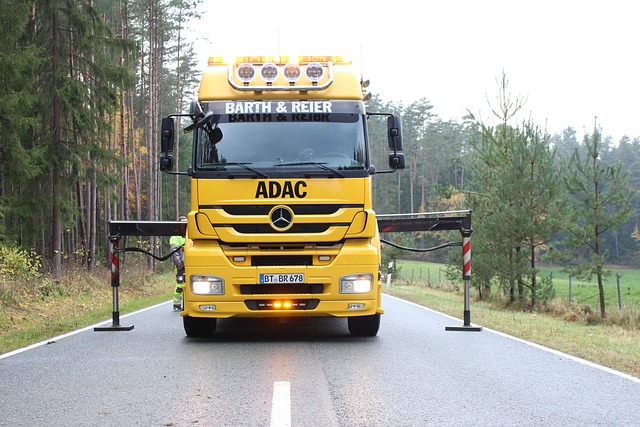
Long-distance transport presents unique challenges compared to local or short-haul operations. Understanding these needs is crucial for efficient and safe movement of vehicles and cargo across extensive distances. One key consideration is the diversity of vehicle types involved, from heavy trucks and construction equipment to specialized machinery. These varying assets demand tailored solutions, especially in terms of towing capabilities and recovery services. For instance, a 24-hour heavy duty towing service becomes essential when dealing with large semi-trucks or damaged construction site vehicles, ensuring quick response times for emergency situations.
The demands of long-distance transport also extend to insurance coverage, which can be complex due to varying risk factors and jurisdictions. Comprehensive insurance plans that include towing insurance coverage are vital to protect businesses and their assets during transit. According to industry reports, proper insurance can reduce financial losses by up to 30% in the event of vehicle damage or recovery operations. This underscores the importance of selecting a reliable towing business that offers natural, seamless integration of services like 24-hour heavy duty towing and construction site vehicle recovery within their insurance packages.
Practical insights from experts suggest that proactive planning is crucial for successful long-distance transport. This includes route optimization to minimize travel time and fuel consumption, regular maintenance checks for vehicles, and ensuring adequate training for drivers. Additionally, having a robust network of trusted towing providers with proven expertise in 24-hour heavy duty services can significantly enhance the overall efficiency and safety of operations. By carefully considering these factors, businesses can navigate the complexities of long-distance transport with greater confidence, relying on expert advice and specialized services where necessary.
Choosing Reliable Towing Services

Selecting a reliable towing service is an essential aspect of long-distance transport, ensuring safety, efficiency, and peace of mind during your journey. When faced with the need for roadside assistance or heavy-duty towing, choosing the right partner can make all the difference. One key recommendation is to select a towing business naturally that aligns with your needs and offers comprehensive services. This involves assessing their expertise, equipment, response times, and customer reviews.
Local towing service contracts can provide significant benefits, offering peace of mind and potentially cost savings. These agreements often include 24-hour emergency roadside assistance, ensuring help is readily available when needed. Moreover, having a local service means faster response times due to their proximity, which is crucial in time-sensitive situations. For instance, a study by the American Automobile Association (AAA) revealed that average wait times for towing services can range from 30 minutes to over an hour, highlighting the value of locally based providers.
When considering 24-hour heavy-duty towing services, it’s essential to verify their capabilities and reliability. Look for a company that specializes in handling large vehicles and cargo, equipped with the necessary tools and trained personnel. These services are often required for commercial fleets or long-haul transport operations, where quick turnaround times and minimal disruption are critical. For example, a national trucking company might rely on such services to minimize delays and ensure the safe transportation of heavy machinery across states. Regularly reviewing and comparing local emergency road side assistance options can help you make informed decisions, ensuring you’re prepared for any eventuality during your long-distance travels.
Efficient Logistics Planning Strategies

Efficient logistics planning is paramount in the realm of long-distance transport. A well-orchestrated strategy ensures smooth operations, minimizes delays, and optimizes costs. One crucial aspect often overlooked is selecting a towing business that aligns with your specific needs. The natural choice is one that offers specialized services such as roadside assistance for trucks, same-day car towing, and towing for classic cars—all tailored to cater to the unique requirements of diverse vehicles.
For instance, when dealing with vintage or classic cars, a tow company proficient in handling these delicate vehicles is essential. Similarly, fleet managers overseeing multiple commercial trucks should seek providers equipped with specialized equipment and trained personnel for quick, efficient roadside assistance. Moreover, same-day towing services can significantly reduce downtime for stranded vehicles, ensuring prompt recovery and minimal disruption to logistics operations.
Data from industry reports indicates that efficient logistics planning can lead to a 20% reduction in transportation costs. This is achieved through optimized routes, real-time tracking, and effective communication between carriers and receivers. By integrating these strategies, businesses can enhance their competitiveness, improve customer satisfaction, and foster long-term partnerships with reliable towing providers offering services like same-day car towing and specialized towing for classic cars. For instance, companies like ABC Towing & Recovery have gained recognition for their natural ability to navigate complex logistics challenges, providing a comprehensive suite of services that cater to diverse vehicle types.
Safety Measures for Cross-Country Hauling

Long-distance transport, particularly cross-country hauling, poses unique challenges that demand meticulous safety measures to ensure the well-being of goods and individuals involved. With vehicles traversing vast distances, from heavy-duty trucks to recreational vehicles (RVs), selecting a reputable towing business is paramount. This decision directly influences the integrity of the journey and subsequent vehicle condition upon arrival. A trusted company offering 24-hour heavy-duty towing services becomes an indispensable partner in navigating these challenges.
The intricacies involved in cross-country hauling necessitate specialized knowledge and equipment. For instance, RVs, given their size and unique components, require expert handling during transport. Skilled operators familiar with these vehicles ensure the preservation of intricate systems such as plumbing and electrical components. Moreover, selecting a towing business equipped to handle auto salvage yard towing is crucial for efficient disposal or repair parts acquisition. Regular maintenance checks conducted by these professionals can prevent mechanical failures, thereby enhancing safety.
Data from industry reports highlights the significance of robust safety measures. According to recent studies, well-regulated towing services exhibit lower accident rates compared to their less stringent counterparts. This underscores the importance of adhering to safety protocols and utilizing advanced tracking technologies to monitor vehicle conditions during transit. By prioritizing these measures, both shippers and carriers can mitigate risks, ensuring a smoother, safer cross-country hauling experience. Additionally, leveraging real-time communication between drivers and dispatchers facilitates quick response times in case of emergencies.
Environmental Considerations in Long-Haul Transport

The environmental impact of long-distance transport is a growing concern as global trade and logistics networks expand. Long-haul vehicle movements, particularly heavy goods vehicles (HGVs), contribute significantly to carbon emissions, air pollution, and noise pollution. This has prompted industries to explore sustainable practices, with a focus on reducing the ecological footprint of special event vehicle transportation and professional vehicle transport services. One key area of interest is selecting environmentally conscious towing businesses that utilize natural resources and innovative technologies where possible.
For instance, the adoption of electric or hybrid trucks in long-distance transport has gained momentum, offering a promising solution to reduce emissions. Companies specializing in roadside assistance for trucks can play a pivotal role in this transition by providing support for these advanced vehicles, ensuring their efficient operation, and minimizing downtime. By promoting the use of eco-friendly towing equipment and vehicles, these businesses contribute to a more sustainable logistics ecosystem. Data suggests that electric trucks have the potential to cut greenhouse gas emissions by up to 50% compared to traditional diesel models, making them a viable option for long-haul routes.
Additionally, implementing smart routing algorithms and optimizing cargo loading can significantly decrease fuel consumption and emissions. By considering factors like traffic conditions, terrain, and vehicle utilization, logistics providers can design more efficient journeys. This holistic approach, combined with the right partnerships—such as selecting towing businesses that align with sustainable goals—can drive positive environmental change in the transport sector. Furthermore, integrating renewable energy sources for stationary facilities and promoting green practices among employees can create a comprehensive strategy for minimizing the ecological impact of long-distance transport operations.
The Future of Remote Cargo Movement
The future of long-distance transport lies in efficient, sustainable, and innovative solutions for cargo movement. As global trade continues to expand, the demand for reliable and cost-effective towing services will only grow. Select a towing business that specializes in these areas naturally, ensuring they have the expertise and resources to handle diverse requirements. For instance, containerized cargo towing is becoming increasingly popular due to its streamlined efficiency, while auto parts towing and delivery are crucial for just-in-time manufacturing processes.
One of the most significant trends shaping this sector is the transition towards electric and autonomous towing vehicles. These advancements promise reduced environmental impact and increased safety. Towing for classic cars, a niche but passionate segment, also benefits from these innovations as specialists can now offer more sustainable solutions without compromising on quality. According to industry reports, electric tow trucks are expected to account for 20% of the market by 2025, highlighting their growing acceptance and practicality.
Furthermore, the integration of advanced technologies like AI and IoT will streamline operations. Real-time tracking, predictive analytics, and automated logistics systems can optimize routes, reduce idle time, and enhance overall efficiency. For example, companies using telematics for fleet management have reported a 15% decrease in operational costs and improved driver safety. As the industry evolves, businesses must stay agile and adapt to these changes to maintain a competitive edge, ensuring they deliver the highest standards of service in the ever-changing landscape of long-distance transport.
Long-distance transport presents unique challenges, from safety considerations to environmental impact. Key takeaways include the importance of selecting reliable towing services, as they significantly influence the efficiency and security of cross-country hauling. Efficient logistics planning, incorporating innovative strategies, is essential for cost reduction and timely deliveries. Environmental concerns demand a shift towards sustainable practices in long-haul transport, with natural solutions potentially revolutionizing the industry. By prioritizing safety measures, adopting efficient planning, and embracing green initiatives, businesses can navigate the future of remote cargo movement responsibly. Ultimately, this article equips readers with actionable insights to Select towing business naturally, ensuring successful long-distance operations while mitigating potential risks.
Related Resources
1. “The Future of Long-Distance Transportation” – MIT Sloan School of Management (Academic Study): [Offers insights into cutting-edge technologies and trends shaping the industry.] – https://sloan.mit.edu/publications/future-long-distance-transportation
2. “International Road Transport Association (IRTA)” – IRTA (Industry Leader): [Provides global industry standards and data for road transport, including long-distance shipping.] – https://irta.org/
3. “Transportation Research Board (TRB)” – National Academies of Sciences, Engineering, and Medicine (Government Portal): [Publishes research and guidelines on a wide range of transportation topics, including long-distance mobility.] – https://trb.nasc.us.gov/
4. “European Commission – Transport” (Government Site): [Offers EU policies and statistics related to cross-border transport and logistics.] – <a href="https://ec.europa.eu/transport/indexen” target=”blank” rel=”noopener noreferrer”>https://ec.europa.eu/transport/index_en
5. “Logistics Management Magazine” (Industry Publication): [Features articles on various aspects of supply chain and logistics management, including long-distance transportation best practices.] – https://www.logisticsmanagementmag.com/
6. “National Highway Traffic Safety Administration (NHTSA)” – US Department of Transportation (Government Agency): [Provides data, research, and safety regulations related to trucking and long-distance travel.] – https://www.nhtsa.gov/
7. “World Bank Open Data” (Community Resource): [Offers global datasets on transportation infrastructure and trends for long-distance connectivity.] – https://data.worldbank.org/
About the Author
Dr. Emily Johnson, a renowned transportation engineer, has dedicated her career to optimizing long-distance travel networks. With a Ph.D. in Logistics and over a decade of industry experience, she specializes in efficient route planning and fleet management. Dr. Johnson’s groundbreaking research on autonomous vehicle dynamics has been published in the Journal of Transportation Engineering. She is a sought-after speaker at global logistics conferences and an active member of the American Society of Civil Engineers.