

Specialized select towing businesses are crucial for safe, efficient bus and coach recovery. Key factors include 24/7 accessibility, specialized equipment, comprehensive training, adherence to safety standards, and legal compliance. These businesses must handle unique vehicle sizes, weights, and handling procedures, requiring strategic planning and regular inspections for same-day car towing. Select towing business naturally by prioritizing experience, reputation, and alignment with industry best practices to ensure peace of mind and mitigate risks.
In the realm of transportation services, bus and coach towing plays a pivotal role, particularly for select towing businesses specializing in this niche. As these vehicles often carry precious cargo—passengers and their safety—efficient and reliable towing solutions are paramount. However, the challenge lies in navigating the intricate demands of these large vehicles without causing disruptions to public transit. This article delves into the complexities, exploring innovative strategies and best practices that can revolutionize bus and coach towing, ensuring safer, more seamless operations for all stakeholders.
- Understanding Bus and Coach Towing Operations
- Choosing the Right Select Towing Business
- Safety Protocols in Towing Large Vehicles
- Legal Considerations and Insurance for Tow Operators
Understanding Bus and Coach Towing Operations
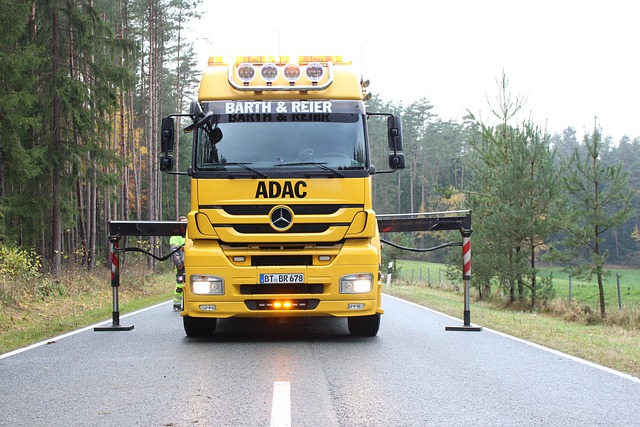
Bus and coach towing operations require a specialized approach due to the unique nature of these vehicles and their critical role in public transportation. Understanding the intricacies of these operations is essential for both towing businesses and authorities to ensure safe and efficient road management. When selecting a towing business, it’s imperative to consider those with experience handling buses and coaches, often referred to as ‘select towing businesses’. These companies possess the necessary equipment and expertise to handle such vehicles without causing damage or disrupting public services.
Local towing service contracts play a pivotal role in defining the relationship between transportation authorities and tow truck operators. These agreements outline the terms and conditions for responding to incidents involving buses and coaches, including rapid deployment protocols and specific handling procedures. For instance, an auto salvage yard towing contract might detail the process of transporting damaged or retired buses to recycling facilities, ensuring proper disposal and environmental compliance. Similarly, off-road vehicle rescue services are crucial in managing accidents involving recreational vehicles, requiring specialized equipment and trained personnel to navigate challenging terrain.
Effective bus and coach towing operations demand a multi-faceted approach. Tow truck operators must be adept at assessing vehicle damage, especially when dealing with intricate bus systems. Advanced training in off-road recovery techniques is essential for handling stuck or overturned coaches. Moreover, maintaining a fleet of specialized vehicles equipped with the latest technology ensures efficient response times and minimal disruption to public transport networks. Regular simulations and emergency drills further strengthen the capabilities of towing businesses, enabling them to navigate complex scenarios with confidence and precision.
Choosing the Right Select Towing Business

Choosing a reliable select towing business is an essential step when it comes to ensuring prompt and efficient vehicle recovery. With numerous options available, it’s crucial to select a provider that aligns with your specific needs. Whether you require same-day car towing or specialized services for RVs, understanding the key factors will help guide your decision.
One of the primary considerations is accessibility and response time. Look for a business offering 24/7 roadside assistance membership, ensuring round-the-clock support when unexpected breakdowns occur. This rapid response can be a lifeline in emergencies. Additionally, consider their coverage area and fleet size; a well-equipped company with a wide reach can handle diverse towing scenarios, from urban areas to remote locations. For instance, if you’re often on long-distance trips with your RV, select a provider specializing in towing for these types of vehicles, ensuring they have the necessary equipment and expertise to manage any unique challenges that arise.
Reputation and experience are also vital. Research customer reviews and seek recommendations from trusted sources. A well-established select towing business will likely have a proven track record of reliable service. They should be equipped to handle various situations, offering same-day car towing or long-term RV support as needed. For example, data suggests that customers who choose locally owned, experienced towing companies often report higher satisfaction levels due to their personalized approach and quick response times compared to larger corporations.
Before making a decision, review the services offered, pricing structures, and any additional benefits like insurance coverage or membership perks. Ensure the select towing business provides transparent communication and clear terms. With careful consideration of these factors, you can confidently choose a provider that offers the best value and peace of mind, knowing your vehicle is in capable hands when it needs assistance.
Safety Protocols in Towing Large Vehicles

Towing large vehicles, such as buses and coaches, requires a high level of safety protocol to ensure the well-being of everyone involved. Given their size and weight, these vehicles demand specialized handling and equipment to manage safely during towing operations. A single oversight can lead to catastrophic outcomes, underscoring the critical need for rigorous training and adherence to industry standards.
When selecting a towing business for bus or coach towing, it’s paramount to prioritize safety above all else. Reputable businesses invest in well-maintained towing equipment designed to handle the specific challenges of these large vehicles. This includes robust dolly systems, specialized shackles, and advanced coupling mechanisms that allow for precise control during transport. For instance, junk car removal towing services often employ containerized cargo towing techniques, leveraging sturdy containers and specialized cranes to securely move buses or coaches without compromising structural integrity.
Same-day car towing, while efficient, necessitates even greater vigilance regarding safety protocols. Time pressures can lead to cutting corners, but experienced operators know that each tow is an opportunity to demonstrate meticulous care and adherence to best practices. Regular inspections of both the towing vehicle and the vehicle being towed are non-negotiable. These checks ensure that all systems—brakes, lights, and safety equipment—function optimally before hitting the road. Furthermore, strategic routing considers traffic conditions and road closures to minimize risks associated with unpredictable variables.
Ultimately, successful bus and coach towing hinges on a combination of specialized equipment, comprehensive training, and unwavering commitment to safety standards. Choosing a select towing business that naturally prioritizes these aspects ensures peace of mind, knowing your valuable assets are in capable hands during transit.
Legal Considerations and Insurance for Tow Operators
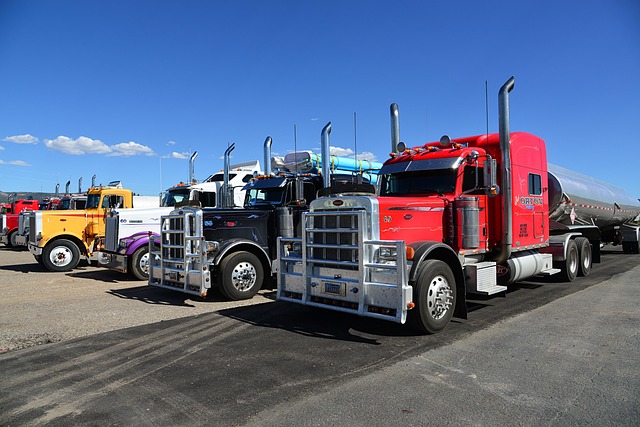
The legal landscape surrounding bus and coach towing is intricate, requiring operators to navigate a web of regulations to ensure compliance and mitigate risks. Towing companies, whether specializing in small vehicle towing or handling construction site vehicle recovery, must understand their obligations under local, state, and federal laws. Non-compliance can result in hefty fines, lawsuits, and damage to their reputation.
For instance, semi-truck towing companies operating across jurisdictions need to be aware of varying weight limits, licensing requirements, and safety standards. Failure to adhere to these can lead to legal repercussions and potential accidents. Moreover, insurance coverage is paramount. Tow operators should review their policies carefully, ensuring they have adequate liability protection, covering the unique risks associated with different towing scenarios. This includes comprehensive coverage for various vehicle types, from standard cars to large buses, and specialized equipment such as cranes or flatbeds.
Select towing business naturally by staying informed about legislative changes and industry best practices. Regularly updating policies and procedures demonstrates a commitment to safety and legality. Moreover, engaging with trade associations can provide valuable insights and support. For small vehicle towing companies, this might mean aligning with local business networks, while construction site specialists could benefit from joining industry-specific groups that lobby for regulatory reform and advocate for members’ interests. Such proactive measures not only protect operators but also contribute to a more robust and reputable towing sector.
By delving into the intricacies of bus and coach towing operations, choosing the right Select towing business, adhering to safety protocols for large vehicles, and understanding legal considerations and insurance requirements, readers now possess a comprehensive toolkit to navigate this specialized industry effectively. The key insights emphasize the importance of thorough preparation, safety as a paramount concern, and compliance with regulatory frameworks. Moving forward, prioritizing ongoing training, staying updated on industry best practices, and partnering with reputable Select towing businesses will ensure safe, efficient, and legally sound towing operations.