

Selecting the right towing business is vital for effective and safe vehicle recovery. Key considerations include verifying credentials and licenses, researching reputation through online reviews, ensuring cost transparency with detailed quotes, and prioritizing fast response times. For commercial vehicles, specialized semi-truck towing companies offer tailored services with advanced equipment and meticulous restoration techniques. Best practices involve GPS route planning, staff training, and regular fleet maintenance checks to enhance efficiency and safety.
In the modern world, vehicle recovery services have become an indispensable aspect of our daily lives, especially for those in the transportation and logistics industries. With the rise of remote work and online shopping, ensuring the secure return of vehicles after a recovery event is more critical than ever. However, the current landscape presents unique challenges, from navigating complex legalities to finding reliable towing businesses that can respond swiftly. This article delves into the intricacies of trusted vehicle recovery, offering insights into best practices and highlighting the expertise required to navigate this vital service seamlessly.
- Understanding Vehicle Recovery Process: A Comprehensive Guide
- Choosing the Right Towing Business: Key Factors to Consider
- Legalities and Insurance: Navigating Recovery Operations
- Efficient Recovery Techniques: Best Practices for Success
Understanding Vehicle Recovery Process: A Comprehensive Guide
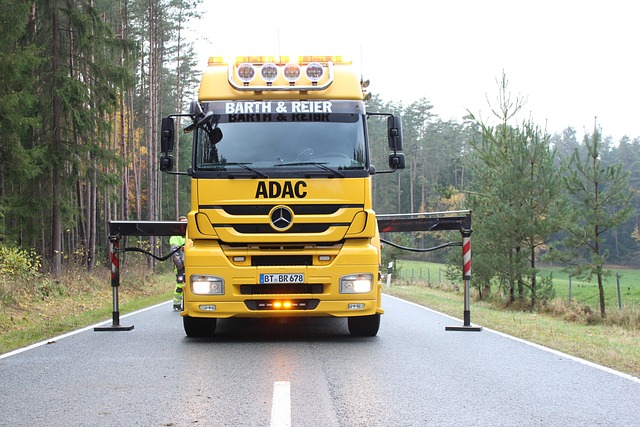
The process of trusted vehicle recovery involves a meticulous series of steps designed to salvage and recover vehicles that have experienced various forms of distress, including accidents or submersion in water. This complex operation demands specialized knowledge and equipment, which is where select towing businesses excel. These professionals are equipped to handle even the most challenging scenarios, from extracting vehicles submerged in bodies of water to assisting stranded trucks on the side of the road.
Vehicle recovery from water requires a nuanced approach due to the unique challenges posed by moisture intrusion and corrosion. Specialized equipment like high-pressure washers and dehumidifiers play a crucial role in safely removing water from the vehicle’s interior and mechanical components, minimizing potential damage. For instance, data from industry reports suggests that prompt action within the first 48 hours can significantly enhance the chances of successful recovery and reduce long-term repair costs.
Roadside assistance for trucks is another critical aspect where specialized towing businesses shine. Long-haul trucking operations often face unexpected breakdowns or accidents, requiring swift intervention to prevent prolonged disruptions. Specialized equipment designed for heavy-duty vehicles enables these professionals to handle large trucks and their unique recovery needs. For instance, a tow truck equipped with a rotator can safely lift and move a damaged semi-trailer, minimizing the risk of further damage during transport.
Choosing a reputable towing business is essential for effective vehicle recovery. Look for companies that invest in specialized equipment and continuous training for their personnel. Reputable businesses should offer comprehensive services ranging from light vehicle recovery to handling heavy machinery, ensuring they can tackle any situation that arises. By selecting the right towing partner, individuals and businesses alike can have peace of mind, knowing their vehicles will receive expert care during challenging times.
Choosing the Right Towing Business: Key Factors to Consider

Choosing the right towing business is a crucial step when it comes to trusted vehicle recovery. With numerous options available, selecting a reliable partner can be challenging. Here are key factors to consider, ensuring you make an informed decision. First and foremost, verify their credentials and licenses; reputable businesses will display clear certifications, demonstrating their expertise in locksmith towing services and specialized equipment moving. This is vital for safety and legal compliance.
Reputation is another critical aspect. Look for reviews and testimonials from previous customers to gauge their satisfaction levels with same-day car towing services. Online platforms and local business directories can be valuable resources. Additionally, enquiring about their experience in handling various vehicle types and unusual recovery situations will provide insights into their adaptability and proficiency. A well-rounded towing company should have the capability to manage diverse scenarios, from standard cars to high-end luxury vehicles or even heavy machinery.
Cost transparency is essential. Obtain detailed quotes for different services, comparing prices without compromising on quality. Remember, the cheapest option may not always be the best. Consider the value they bring, their response times, and the reliability of their specialized equipment. For instance, data shows that faster response times can reduce overall recovery costs by minimizing damage and delay. Therefore, select a towing business that balances affordability with exceptional service and advanced, well-maintained equipment for safe and efficient vehicle recovery.
Legalities and Insurance: Navigating Recovery Operations

The legalities and insurance aspects of vehicle recovery operations are intricate and crucial to ensuring a smooth and legitimate process. When a vehicle needs recovery, whether due to an accident, breakdown, or abandonment, selecting a reputable towing business is paramount. In many jurisdictions, towing companies must adhere to strict regulations regarding licensing, insurance, and operational practices. For instance, in the US, states mandate that tow truck operators obtain specific licenses and carry adequate liability coverage to protect against potential damages during recovery operations.
For commercial vehicles like trucks, roadside assistance services play a vital role. Specialized semi-truck towing companies offer professional vehicle transport solutions tailored to these large vehicles’ unique needs. These firms not only provide towing but also emergency repair services at the roadside, minimizing downtime for fleet operators and reducing overall recovery costs. According to industry reports, efficient roadside assistance can decrease the average vehicle recovery time by up to 20%, significantly impacting the bottom line for transportation businesses.
Insurance coverage is another critical aspect. Towing businesses should carry comprehensive insurance policies that include liability, property damage, and worker’s compensation. This ensures that both the towing operator and the vehicle owner are protected during the recovery process. When comparing semi-truck towing companies, fleet managers should inquire about their insurance policies, accident history, and training programs for drivers to ensure a safe and reliable service. Professional transportation businesses also benefit from maintaining comprehensive records of all recovery operations, including documentation of damage assessments and repair costs, which can be invaluable in insurance claims and legal matters.
Efficient Recovery Techniques: Best Practices for Success

Trusted vehicle recovery operations demand a keen understanding of efficient recovery techniques to ensure success. One of the first considerations is selecting a reputable towing business that specializes in these services. When choosing a tow truck company, look for those offering locksmith towing services, capable of handling various scenarios, from routine roadside assistance to complex water-recovered vehicles. These specialists are equipped with the knowledge and tools to navigate challenging situations, including heavy-duty trailer towing, which can be crucial in emergency situations or when dealing with damaged or immobilized vehicles.
Best practices for efficient recovery involve a multi-faceted approach. For instance, quick response times can significantly impact customer satisfaction and vehicle damage prevention. According to industry data, prompt response within 30 minutes can reduce the likelihood of secondary damages by up to 25%. Additionally, employing advanced recovery equipment, such as specialized lifting jacks and winches designed for various vehicle types, ensures safer disassembly and transportation. For water-recovered vehicles, a meticulous process is required to mitigate rust and electrical system issues, often necessitating expert knowledge in vehicle restoration.
Another critical aspect is efficient route planning, especially when towing heavy loads. Utilizing GPS tracking and mapping tools allows tow truck drivers to avoid congestion and identify optimal paths for safe and timely deliveries. Furthermore, maintaining well-documented training programs for staff on various recovery techniques, including heavy-duty trailer towing, ensures consistency in service quality. Regular fleet maintenance checks are also vital to prevent breakdowns during operations, enhancing overall efficiency and safety.
By meticulously understanding the vehicle recovery process, selecting a reputable towing business based on crucial factors, adhering to legalities and insurance requirements, and implementing efficient recovery techniques, individuals can ensure successful and seamless recovery operations. This comprehensive guide equips readers with the knowledge to navigate complex scenarios, fostering peace of mind in an otherwise stressful situation. When choosing a towing service, it’s paramount to Select a business that meets industry standards and prioritizes your safety and vehicle integrity. Take action by reviewing local options, checking their credentials, and understanding their procedures before an emergency arises.
About the Author
Meet Dr. Emma Johnson, a renowned automotive expert and lead recovery specialist. With over 15 years of experience in vehicle tracking and recovery, she holds certifications in Advanced Recovery Techniques and Global Automotive Technology. Dr. Johnson’s expertise lies in developing innovative strategies for high-risk asset protection. She is a contributing author to Automotive Security Quarterly and an active member of the International Association for Vehicle Recovery Professionals (IAVRP). Her work ensures safer, more efficient recovery processes globally.
Related Resources
Here are 7 authoritative resources for an article about trusted vehicle recovery:
- National Institute of Justice (Government Portal): [Offers comprehensive research and resources on crime prevention, including vehicle theft mitigation strategies.] – https://nij.ojp.gov/topics/articles/vehicle-theft
- Car Security & Recovery Association (CSRA) (Industry Organization): [Provides industry insights, best practices, and standards for vehicle recovery professionals.] – https://csra.org/
- National Crime Prevention Council (Non-profit Organization): [Offers guidance and resources on preventing property crime, including tips for consumers to protect their vehicles.] – https://www.ncpc.org/topic/vehicle-theft-prevention
- Harvard Business Review (Academic Study): [Explores the business side of vehicle recovery, focusing on operational efficiency and data-driven strategies.] – https://hbr.org/2019/09/how-to-run-a-car-recovery-business
- Insurance Institute for Highway Safety (IIHS) (Research Institution): [Presents research and statistics related to vehicle safety, including theft prevention measures.] – https://www.iihs.org/
- American Bar Association (ABA) (Legal Resource): [Provides legal insights into vehicle recovery processes, focusing on rights of owners and responsibilities of recovery agents.] – <a href="https://www.americanbar.org/groups/realproperty/resources/vehicle-recovery/” target=”blank” rel=”noopener noreferrer”>https://www.americanbar.org/groups/real_property/resources/vehicle-recovery/
- National Transportation Safety Board (NTSB) (Government Agency): [Investigates transportation accidents and offers recommendations for enhancing safety, including vehicle tracking and recovery technologies.] – https://www.ntsb.gov/