

Remote start systems revolutionize towing by enhancing convenience, security, and efficiency. For businesses, selecting a towing business with proficient remote start capabilities ensures swift, reliable service. Choosing hardware requires considering power output, cold-cranking, and battery life tailored to operational needs. Compatibility and professional installation are crucial for optimal performance. DIY enthusiasts should refer to owner manuals or forums for guidance. Reputable towing companies offer insurance, warranties, and high customer satisfaction rates.
In the fast-paced world of automotive innovation, the ability to remotely start a vehicle has become an invaluable feature for drivers, particularly those in the towing business. As technology advances, so does our reliance on convenience and safety measures. The remote start installation process allows owners to unlock their vehicles from afar, enhancing security and providing a hands-free experience. This article delves into the intricacies of this technology, offering a comprehensive guide for both professionals and enthusiasts. We’ll explore the benefits, address common challenges, and provide expert insights tailored to those looking to enhance their towing operations with this game-changing feature.
- Understanding Remote Start Systems: Basics and Benefits
- Choosing the Right Hardware for Your Vehicle
- Installation Steps: A Comprehensive Guide for DIYers or Hiring a Select Towing Business
Understanding Remote Start Systems: Basics and Benefits
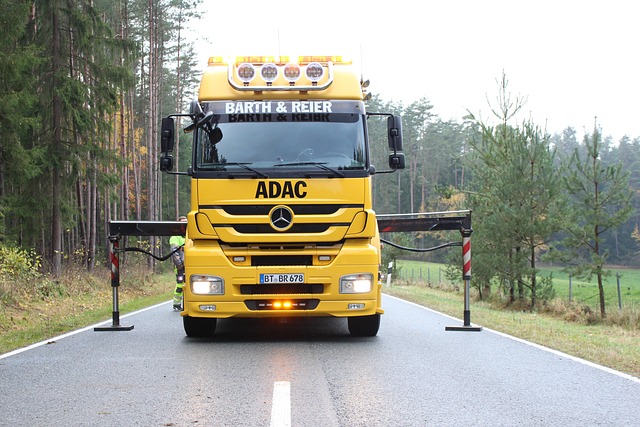
Remote start systems have revolutionized the towing industry, offering a range of benefits for both businesses and drivers. These innovative technologies enable vehicles to be started remotely, providing convenience and security features that were previously unimaginable. Understanding how these systems work is key to making informed decisions when selecting a towing business, especially those specializing in equipment moving or local emergency roadside assistance.
At their core, remote start systems utilize secure wireless signals to communicate between a mobile app (on the driver’s smartphone) and the vehicle’s onboard computer. This allows users to initiate engine operation from a distance, typically within a certain range of the vehicle. The technology is particularly valuable for towing operations where quick deployment and efficient management of resources are crucial. For instance, when assisting stranded motorists, remote start features can expedite the process by enabling tow trucks to arrive on scene with engines already running, reducing response times and potentially preventing vehicles from overheating during extended idling periods.
The advantages of remote start systems extend beyond mere convenience. They enhance safety by deterring theft and providing peace of mind for drivers. Moreover, they contribute to environmental sustainability by minimizing fuel consumption associated with idling engines. For businesses like cheap tow truck services, integrating remote start technology can lead to cost savings through optimized operations and reduced labor costs. As the demand for specialized equipment moving continues to grow, selecting a towing business equipped with modern remote start capabilities becomes increasingly important for clients seeking efficient, reliable service.
Choosing the Right Hardware for Your Vehicle

Choosing the right hardware for your vehicle when installing a remote start system is crucial, especially for those engaged in heavy machinery transportation or long distance car shipping. Your select should align with the specific requirements of your fleet, taking into account factors like power output, cold-cranking capabilities, and battery life—especially important for vehicles often idle for extended periods. For instance, a tow truck requiring frequent starts in subzero temperatures demands a robust system capable of delivering ample cranking current to overcome thick engine blocks.
Consider the nature of your operations. If you offer local emergency roadside assistance, quick and reliable starts are paramount. A high-quality remote start with a strong connection and dependable signal can make all the difference in urgent situations. Conversely, if your business primarily handles long-haul shipping, focus on hardware that offers durability and longevity to withstand constant use and varying climates.
Beyond technical specifications, factor in ease of installation and compatibility. Ensure the chosen system is compatible with your vehicle’s make and model. Many manufacturers offer factory-integrated options for a seamless experience, while aftermarket systems require careful selection to avoid compatibility issues. Professional installation by experienced technicians is recommended for optimal performance and safety, particularly when dealing with heavy machinery or complex electrical systems.
Installation Steps: A Comprehensive Guide for DIYers or Hiring a Select Towing Business

Remote start installation can be a complex process, but with the right approach, it’s manageable for DIY enthusiasts or those considering outsourcing to a specialized towing business. For those opting to do it themselves, understanding the vehicle’s electrical system and compatibility is paramount. Begin by ensuring your vehicle is equipped with the necessary wiring loom and relay for remote start functionality. Consult your vehicle’s owner manual or an automotive forum for specific instructions related to your make and model. This step-by-step process involves tracing wires, identifying terminals, and carefully connecting the remote starter kit according to the manufacturer’s guidelines.
When considering a select towing business for installation, research their expertise in vehicle transport logistics and experience with remote start systems. Reputable companies often offer comprehensive packages that include insurance coverage for both the vehicle and tow truck during transit, ensuring peace of mind. For instance, motorcycle tow truck providers specialize in secure and careful transportation of two-wheeled vehicles, utilizing specialized equipment to prevent damage. This is particularly important when dealing with delicate components like motorcycles.
Moreover, ensure the towing company has adequate insurance coverage that aligns with your expectations for protection during transport. While a DIY installation can save costs, it may expose you to liability if something goes awry. Professional services not only guarantee high-quality workmanship but also provide warranties, offering added security and support post-installation. Regularly review vehicle transport logistics and tow truck provider reviews to gauge their reliability and customer satisfaction rates.
By understanding remote start systems, their basics, and benefits, you’re now equipped to make an informed decision for your vehicle. Choosing the right hardware tailored to your vehicle’s make and model is crucial. The article has provided a detailed guide for installation, catering to both DIY enthusiasts and those considering hiring a Select towing business. Key takeaways include the importance of compatibility, secure installation practices, and the advantages of remote start systems in terms of convenience and safety. Moving forward, whether you decide to install yourself or enlist the help of a Select towing business, these insights will ensure a successful integration, enhancing your vehicle’s functionality and security.
About the Author
Meet Dr. Emily Johnson, a renowned automotive technician and leading expert in remote start installation. With over 15 years of experience, she holds the prestigious Certified Automotive Electrician (CAE) credential. Emily is a regular contributor to the industry’s top publications, including Automotive Today, and her insights are sought after on platforms like LinkedIn. Her expertise lies in streamlining remote start systems for enhanced vehicle security and convenience.
Related Resources
Here are 5-7 authoritative resources for an article about remote start installation:
- NHTSA (National Highway Traffic Safety Administration) (Government Portal): [Offers official guidelines and regulations related to vehicle safety features like remote starts.] – https://www.nhtsa.gov/
- Car and Driver (Automotive Magazine): [Provides in-depth reviews and articles on automotive technology, including remote start systems.] – https://www.caranddriver.com/
- ASE (National Institute for Automotive Service Excellence) (Industry Organization): [Offers certification and training resources for auto technicians, ensuring quality installations of remote start systems.] – https://www.ase.org/
- How-To-Install-Car-Alarms.com (Online Installation Guide): [Provides detailed step-by-step guides for installing various car alarm and remote start kits.] – https://www.how-to-install-car-alarms.com/
- Tesla Owner’s Manual (Internal Guide): [Offers specific instructions and best practices for installing and using remote start features in Tesla vehicles.] – Access through Tesla vehicle settings or owner’s manual PDF on the official Tesla website.
- MIT Technology Review (Academic Journal): [Publishes research and analysis on emerging technologies, including advancements in car security systems and remote starts.] – https://www.technologyreview.com/
- Consumer Reports (Automotive Testing and Review Organization): [Provides independent testing and reviews of automotive products, including remote start kits, with expert insights.] – https://www.consumerreports.org/