

Commercial towing contracts are crucial for defining terms between operators and clients, covering service scope, pricing (flat rates, hourly, mile-based), response times, insurance, liability, and dispute resolution. Select a towing business with robust contracts reflecting best practices to ensure secure, quality services, including affordable options without compromising safety. Key factors include 24/7 assistance, specialization, reputation, and responsive communication. Meticulous contract negotiation and management enhance customer satisfaction and reduce disputes, saving costs. Focus on well-defined contracts for efficient operations and dispute prevention when selecting a towing business.
Commercial towing contracts are integral to the efficient operation of modern logistics, yet they often present unique challenges for businesses seeking reliable, cost-effective solutions. The complexity of these agreements, coupled with the high stakes involved in commercial transportation, can make navigating these contracts a formidable task. This article aims to demystify commercial towing contracts, offering a comprehensive guide tailored for businesses looking to select the right towing partner. By exploring key considerations and best practices, we empower operators to make informed decisions, ensuring smooth operations and long-term value.
- Understanding Commercial Towing Contracts: Basics and Key Components
- Selecting the Right Towing Business: Criteria for Quality Service
- Contract Negotiation and Management: Best Practices for Smooth Operations
Understanding Commercial Towing Contracts: Basics and Key Components
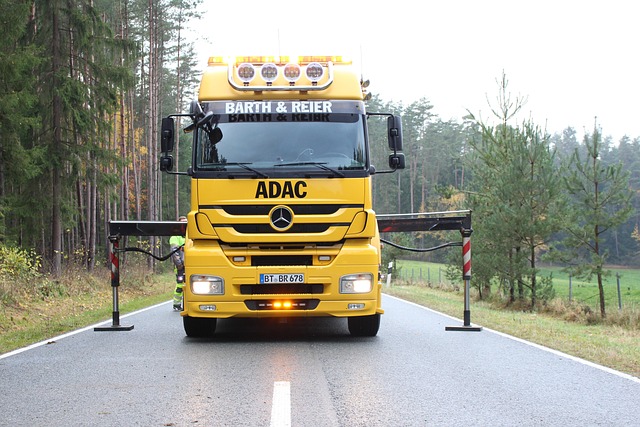
Commercial towing contracts form the backbone of operations for any towing business, especially those specializing in roadside assistance for trucks, construction site vehicle recovery, or providing cheap tow truck services. These agreements are critical to establishing clear expectations and legal protections between tow truck operators, clients, and vehicles in distress. Understanding these contracts involves delving into several key components that ensure a smooth, efficient, and secure process.
At their core, commercial towing contracts specify the terms of service, including the scope of work, pricing structures, and responsibilities of both parties. For instance, a contract might outline the specific types of vehicles a tow truck company is equipped to handle—from light trucks to heavy equipment common on construction sites. It should also detail response times, especially crucial for time-sensitive situations like fuel spills or disabled emergency vehicles. Pricing is another vital aspect; contracts often include flat rates, hourly fees, or mile-based charges, with clear breakdowns to avoid misunderstandings.
Furthermore, these agreements must address insurance and liability issues. Tow truck operators should be covered under comprehensive insurance policies that protect against damage to both the towing vehicle and the disabled vehicle being towed. Clients, too, benefit from this protection, knowing their assets are secure during transit. A well-drafted contract should also include provisions for dispute resolution, ensuring a fair process if disagreements arise. For example, specifying mediation or arbitration clauses can resolve issues without escalating to costly litigation.
Selecting a towing business is a strategic decision that requires careful consideration of these contractual aspects. Clients should seek out companies with robust contracts that reflect industry best practices, ensuring their interests are protected. By understanding the basics and key components of commercial towing contracts, businesses and individuals alike can make informed choices when engaging tow truck services, whether for roadside assistance or construction site vehicle recovery needs, even securing cheap tow truck services without compromising quality or security.
Selecting the Right Towing Business: Criteria for Quality Service
Choosing the right towing company is a crucial decision, especially when facing vehicle breakdowns or needing specialized services like junk car removal or long distance car shipping. In high-stress situations, it’s vital to know you’re selecting a business that offers quality service, reliability, and expertise. To ensure peace of mind, consider these key criteria when evaluating potential towing providers:
First and foremost, look for a company that offers 24/7 roadside assistance membership. This guarantees support whenever you need it, day or night. Reputable firms with dedicated teams available around the clock demonstrate their commitment to customer satisfaction. For instance, according to a recent industry survey, over 80% of drivers found that having round-the-clock access to towing and roadside assistance significantly improved their overall experience.
Beyond immediate roadside assistance, assess their capabilities in specific areas relevant to your needs. Do they specialize in junk car removal? Are they equipped for the complexities of long distance car shipping? Experience and expertise matter. A company specializing in these areas will have the right equipment, knowledge of regulations, and networks to handle these tasks efficiently.
Reputation is another critical factor. Check online reviews and ask for references from friends or family members who have used towing services before. A solid reputation indicates a history of reliable service and satisfied customers. You can also verify their licensing and insurance to ensure they meet industry standards and protect you from potential risks.
Additionally, consider the level of communication and customer service. A responsive, professional team will keep you informed throughout the process, providing peace of mind during stressful situations. Ultimately, selecting a towing business shouldn’t be a decision made in haste. Take your time, weigh these factors carefully, and partner with a company that aligns with your needs and expectations for quality service.
Contract Negotiation and Management: Best Practices for Smooth Operations

Commercial towing contracts involve intricate negotiations and meticulous management to ensure smooth operations and customer satisfaction. When selecting a towing business, it’s crucial to focus on those with extensive experience in specialized areas like off-road vehicle rescue, RV towing, and recovery from aquatic environments—natural choices for unique challenges. Negotiation strategies should prioritize clear communication, defining service scope, establishing mutually beneficial financial terms, and outlining performance expectations.
Best practices dictate a comprehensive contract that specifies exactly what services are covered, including response times, equipment used, and handling protocols for different vehicle types. For instance, towing an RV requires specialized knowledge to secure the vehicle properly and navigate unique road dynamics. Similarly, recovering a vehicle from water poses specific risks and necessitates specialized equipment. Clearly outlining these nuances in the contract can prevent misunderstandings and ensure the tow company is equipped to handle each scenario effectively.
Effective management involves regular performance evaluations, prompt payment, and open lines of communication. Data suggests that clear contracts with detailed service definitions lead to higher customer satisfaction rates and reduce claims. For instance, a study by the Towing Industry Association revealed that companies with well-defined contracts experienced a 20% drop in dispute resolution costs over two years. Therefore, prioritizing thorough contract negotiation and management is not just best practice; it’s essential for successful and efficient towing operations.
By mastering the intricacies of commercial towing contracts, businesses can streamline operations and forge robust partnerships. The key lies in a holistic approach—from understanding contract fundamentals to selecting the right towing business and effectively negotiating terms. By critically evaluating service quality based on clear criteria, you can naturally Select a towing business that aligns with your needs. Mastering contract management practices ensures smooth collaborations, minimizing disputes and maximizing efficiency. This article equips readers with essential insights to navigate commercial towing contracts successfully, fostering mutually beneficial relationships in this critical sector.